Obesity and Heart Diseases
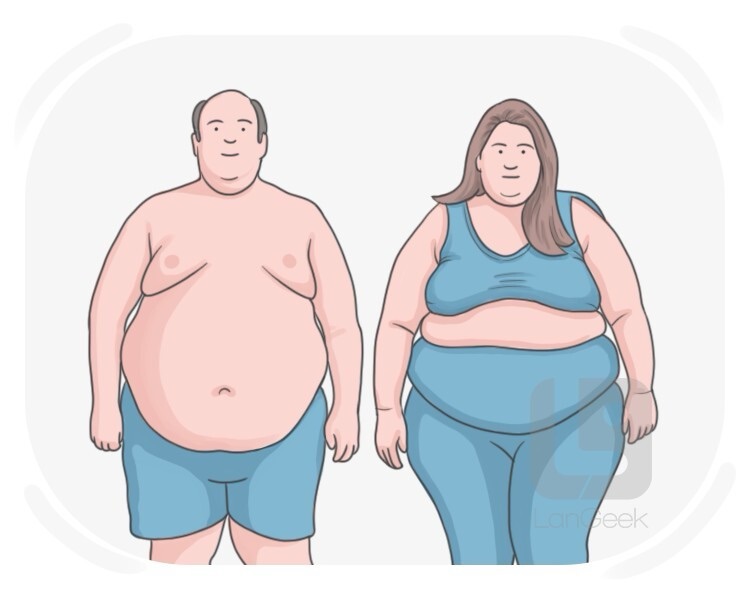
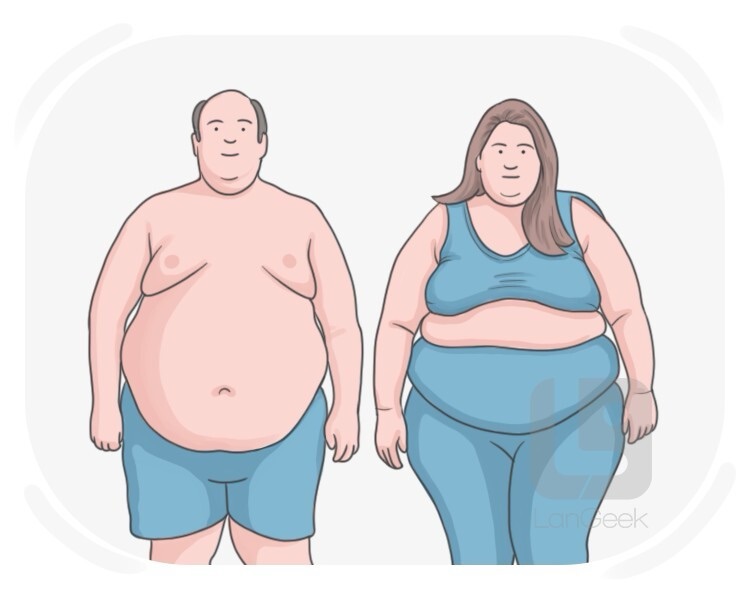
World is experiencing an unforeseen epidemic of obesity. According to WHO data in the year 2022 about 1 in 8 people in the world are living with obesity. Around 890 million adults worldwide are obese. About 43% of adults are overweight, and 16% are obese. Overall, more than 1 billion people globally are now estimated to have obesity. Though historically obesity was considered to be the problem of affluent countries, even developing countries like India are now experiencing this problem. Recent Indian data (NFHS-5, 2019–21) show around 24% of women and 23% of men are now overweight or obese. True obesity (BMI ≥30 kg/m²) affects approximately 6.4% of women and 4.0% of men. India is estimated to have around 135 million obese individuals. We will discuss why these numbers are worrisome, how obesity affects the overall health in brief and its cardiovascular (heart) effects in detail. Ultimately, we will discuss how we can tackle this problem at an individual level and on a public health level.
How can we define obesity? There is a simple tool called Body Mass Index (BMI) where an individual’s weight in kilograms is divided by height in meter square (Wt. (Kg.)/(Ht. (M))²). The normal BMI range is 18.5 to 24.9. If the BMI is between 25 and 30 it is called overweight. If BMI is above 30 the individual is called obese and if BMI is above 35 it is termed severe or morbid obesity. In India and Southeast Asian countries it is found that BMI above 23 is also hazardous to health. Scientifically speaking, BMI is a crude way to measure obesity and there are other methods which should be added to the assessment such as waist circumference and waist-to-hip ratio.
Measurement of waist circumference is very important in Indians because abdominal fat strongly predicts diabetes and coronary artery disease. High-risk waist circumference is more than 90 cm in men and more than 80 cm in women. Waist-to-Hip Ratio (WHR) is calculated by dividing waist circumference by hip circumference. A WHR of more than 0.90 in men and more than 0.85 in women indicates increased cardiovascular and metabolic risk.
In India it has been found that many individuals, even though not obese by BMI definition, have large abdominal girth due to excess intra-abdominal adipose tissue. This type of fat, called visceral fat, is metabolically more active and more detrimental than fat deposited elsewhere in the body. Such individuals have a higher waist-to-hip ratio and are more prone to hypertension, type 2 diabetes mellitus, coronary artery disease, stroke and other cardiovascular events. This phenomenon explains why many Indians develop diabetes and heart disease even when they do not appear significantly overweight.
Obesity is a multifactorial disease. The most important non-modifiable cause is familial or genetic tendency. Studies of twins, adoptees and families suggest that the heritability of obesity ranges from about 40% to 70%. However, genetics alone cannot explain the dramatic rise in obesity seen over the last few decades. Environmental and lifestyle factors play a major role.
The second most important cause is unhealthy diet. Excess consumption of calorie-rich foods, refined carbohydrates, sugary beverages, processed foods and unhealthy fats contributes significantly to weight gain. The modern food environment encourages excessive calorie intake while providing poor nutritional quality. Fast food culture, larger portion sizes and frequent consumption of packaged foods have aggravated the problem.
The third major cause is inadequate physical activity. In the modern era, office-based jobs, prolonged screen time, increased use of vehicles and reduced participation in outdoor activities have drastically decreased daily energy expenditure. A sedentary lifestyle is now recognized as one of the most important contributors to obesity.
Increased levels of physical and mental stress are another important reason for obesity. Stress leads to hormonal changes, emotional eating, disturbed sleep and reduced physical activity. Sleep deprivation itself has been linked with increased appetite and weight gain. Therefore, obesity should not be viewed simply as a problem of overeating but rather as a complex interaction of genetic, environmental, psychological and social factors.
Obesity is not only about looking unattractive or facing social stigma. It is a disease in itself and affects multiple organ systems. Obesity leads to increased incidence of hypertension, diabetes mellitus and dyslipidemia. It increases the tendency for formation of blockages in coronary arteries and cerebral arteries, thereby increasing the chances of heart attacks and strokes.
Obese individuals are more prone to develop many cancers, especially cancers of the gastrointestinal tract, liver, pancreas, colon and esophagus. High BMI is a major risk factor for fatty liver disease and subsequent progression to non-alcoholic steatohepatitis (NASH), liver fibrosis and liver cirrhosis. Newer studies have shown that obesity causes generalized low-grade inflammation throughout the body. Fat tissue itself acts like an endocrine organ releasing inflammatory substances which damage blood vessels and various organs over time.
Obesity also affects the respiratory system. Obese individuals are more prone to develop obstructive sleep apnea, a condition where breathing repeatedly stops during sleep. Sleep apnea causes daytime fatigue, poor quality of life and significantly increases the risk of hypertension, heart disease, arrhythmias and sudden cardiac death.
The cardiovascular effects of obesity deserve special attention. Obesity increases blood volume and cardiac output, forcing the heart to work harder to supply blood to excess body tissue. Over time this causes enlargement of the heart chambers and thickening of the heart muscle. Such structural changes can eventually lead to heart failure.
Obese individuals are particularly prone to develop heart failure with preserved ejection fraction (HFpEF), a condition where the heart pumping function remains normal but the heart becomes stiff and unable to fill properly. HFpEF is becoming increasingly common worldwide and obesity is considered one of its major driving factors.
Obesity is also associated with increased incidence of cardiac arrhythmias, especially atrial fibrillation. Enlargement of the atria, inflammation and metabolic abnormalities contribute to electrical disturbances within the heart. Patients with atrial fibrillation have increased risk of stroke, repeated hospitalizations and premature mortality.
Another important cardiovascular consequence of obesity is accelerated atherosclerosis. Excess adipose tissue leads to insulin resistance, abnormal cholesterol levels and chronic inflammation. These factors collectively promote deposition of cholesterol within arterial walls resulting in narrowing and blockage of arteries. Consequently, obese individuals have significantly higher risk of coronary artery disease, heart attacks, peripheral arterial disease and strokes.
Recent evidence suggests that obesity itself is an independent cardiovascular risk factor even after adjusting for hypertension, diabetes and cholesterol levels. Thus, maintaining an ideal body weight should be considered an important component of cardiovascular prevention.
Looking at these devastating effects of obesity it becomes essential to treat and prevent it effectively. In the management of obesity, lifestyle modification remains the cornerstone of therapy. Proper diet is of utmost importance. A balanced diet with reduced unhealthy fats, optimum carbohydrates, adequate proteins, vitamins and minerals helps both in prevention and treatment of obesity. Specific dietary patterns such as the Mediterranean diet have shown favorable effects on weight reduction and cardiovascular health.
The importance of regular exercise cannot be overemphasized. Aerobic exercises such as walking, jogging, cycling and swimming improve cardiovascular fitness and facilitate weight loss. Strength training exercises help preserve muscle mass and increase metabolic rate. Flexibility and stretching exercises including yoga improve overall physical well-being. Current recommendations advise at least 150 to 300 minutes of moderate-intensity physical activity per week.
If there is excess physical or mental stress, the underlying causes should be identified and appropriate measures should be taken to reduce stress levels. Adequate sleep, mindfulness practices, social support and healthy work-life balance can contribute significantly to weight management.
A few patients do not respond adequately to lifestyle modifications alone. In these patients, medical therapy may be considered. GLP-1 receptor agonists are now considered by many to be breakthrough drugs in obesity management. Semaglutide is available in both oral and injectable forms while tirzepatide is available in injectable form. Several newer drugs are currently under development.
These medications reduce appetite, improve metabolic health and when combined with lifestyle modifications have been shown to reduce body weight by up to 15–20% in many patients. They are especially useful in patients with severe obesity, hypertension, type 2 diabetes mellitus and established cardiovascular disease. Recent studies have also demonstrated reduction in cardiovascular events in selected high-risk patients receiving these therapies.
In patients with severe obesity, particularly those with BMI greater than 40 or BMI greater than 35 with obesity-related complications, bariatric surgery may be considered. Bariatric procedures have been shown to produce substantial and sustained weight loss along with improvement in diabetes, hypertension and cardiovascular outcomes.
Apart from individual efforts, obesity should also be tackled at a public health level. Increasing awareness regarding healthy eating habits, promoting physical activity in schools and workplaces, creating walkable cities, regulating unhealthy food marketing and improving access to healthy food options are important measures. Governments, healthcare professionals, educational institutions and society at large all have a role to play in combating the obesity epidemic.
In conclusion, obesity is one of the most important health challenges of the 21st century. It is not merely a cosmetic concern but a chronic disease with profound effects on multiple organ systems, particularly the cardiovascular system. The increasing prevalence of obesity in India is a matter of serious concern because it threatens to reverse many of the gains achieved in healthcare and life expectancy. The good news is that obesity is largely preventable and treatable. Through a combination of healthy diet, regular exercise, stress management, adequate sleep, appropriate medical therapy and supportive public health policies, we can significantly reduce the burden of obesity and its cardiovascular complications. Prevention remains better than cure, and every kilogram of excess weight avoided today may translate into a healthier heart and a longer life tomorrow.
Dr. Tamiruddin A. Danwade
Consultant Interventional Cardiologist.
Dr. Tamiruddin A. Danwade is a highly skilled Consultant Interventional Cardiologist known for his expertise in managing complex cardiovascular conditions. His dedication to patient care and commitment to advancing medical practices in cardiology have earned him a stellar reputation in the field.
He operates primarily out of two esteemed locations: the Mother & Rhythm Clinic, Located in the vibrant neighborhoods of Seawoods and Kharghar, where he provides specialized care tailored to meet the individual needs of his patients. His hands-on approach in this clinic ensures that each patient receives comprehensive assessments and personalized treatment plans that consider their unique medical histories and lifestyle factors.
In addition to his work at the Mother & Rhythm Clinic, Dr. Danwade is also associated with BV Medicover Hospitals in Navi Mumbai. This facility is renowned for its state-of-the-art technology and a multidisciplinary approach, allowing for collaboration among various medical professionals to deliver holistic care. Dr. Danwade is an integral part of the cardiovascular team at the hospital, where he employs cutting-edge interventional techniques to treat a spectrum of heart-related issues.
With a focus on preventative care and patient education, Dr. Tamiruddin A. Danwade strives to empower individuals with the knowledge they need to maintain optimal heart health, thereby improving their quality of life. His work continues to impact many lives, making him a pivotal figure in the cardiology community.


Leave a Reply