
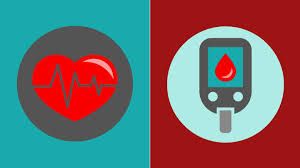
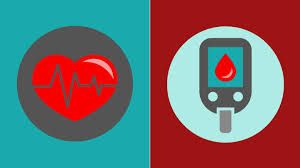
Diabetes mellitus (DM) is one of the most common risk factors for the development of heart diseases, posing significant challenges to public health globally. It is a multi-system disease; high blood sugar levels are only one of the dreaded manifestations associated with it. DM not only affects the heart but can also have far-reaching implications on the kidneys, brain, and all blood vessels throughout the body, especially when it is left uncontrolled. This chronic condition leads to a cascade of metabolic issues. The interplay between diabetes and cardiovascular health necessitates a comprehensive approach to management, emphasizing the importance of regular monitoring, lifestyle modifications, and appropriate medical interventions.
Diabetes affects the heart the most, presenting some of the most significant health challenges for those who suffer from this condition. It can cause damage in two primary ways. First, the formation of atherosclerotic plaques Second, diabetes can weaken the contractility of the heart muscles, leading to dilated cardiomyopathy.
Atherosclerosis is a complex pathological process characterized by the gradual formation of plaques, which are primarily composed of cholesterol, fatty substances, and cellular waste. Over time, these plaques evolve into tight blocks that occlude blood flow in the coronary arteries, leading to significant health complications. Diabetes mellitus (DM) is recognized as the most important causative factor for the development of atherosclerosis, second only to hypertension. When blood sugar levels remain uncontrolled, they can significantly hasten this deleterious process, resulting in a heightened tendency for the formation of premature, severe blockages in the heart’s blood vessels, which is typically associated with advanced age. A notable characteristic of diabetic patients is that their blockages tend to be more diffuse—manifesting as long, tight blocks—and multiple blood vessels often become involved, leading to what is medically termed multi-vessel disease. This multifaceted nature of the disease complicates the treatment of coronary artery disease in diabetic patients, making management significantly more challenging. As a result, many patients may require more invasive interventions such as bypass surgery or complex angioplasty procedures, which necessitate the use of specialized hardware and highlight the intricate relationship between diabetes and cardiovascular health. This escalation in treatment complexity underscores the critical need for vigilant management of diabetes and its associated risk factors to mitigate the progression of atherosclerosis and improve patient outcomes.
Diabetic cardiomyopathy is a significant complication that primarily occurs due to poorly controlled blood sugar levels over time. This condition can severely impact the heart’s muscle elasticity, leading to a decrease in its ability to pump blood efficiently. As a result, patients may experience symptoms such as fatigue, shortness of breath, and swelling in the legs and ankles. Interestingly, many individuals diagnosed with diabetic cardiomyopathy may present with normal coronary arteries or exhibit minimal non-flow obstructing blockages. This suggests that the heart damage is not solely due to blocked arteries but is more directly related to the effects of high blood sugar on the heart muscle itself.
In the early stages of diabetic cardiomyopathy, there is a silver lining: many patients experience significant improvements in heart function once their blood sugar levels are brought under control. This highlights the critical importance of managing diabetes effectively and addressing elevated blood sugar levels as a part of overall heart health.
Beyond its direct impact on heart function, diabetes also adversely affects other vital organs, including the kidneys. Compromised kidney function can contribute to increased blood pressure, a condition known as hypertension, which places further strain on the heart. Additionally, the major blood vessels, such as the aorta, can become stiff or damaged due to diabetes-related complications, leading to various cardiac issues. This interconnectedness of diabetes with various organ systems underlines the need for a comprehensive approach to treatment that addresses not only blood sugar management but also overall cardiovascular health and organ function.
As in all cases, prevention is better than cure. Maintaining a healthy lifestyle is crucial in avoiding or delaying the development of diabetes mellitus (DM). Individuals who are already diagnosed with diabetes must pay close attention to their sugar levels and blood pressure controls, as these measures can significantly prevent the onset of complications such as atherosclerosis and cardiomyopathy, both of which can have serious long-term effects on their health.
The intertwined relationship between diabetes and heart disease has led to an integrated approach in their treatment. In recent years, there has been a notable shift in how new anti-diabetic medications are developed and evaluated. Currently, pharmaceutical companies are not only concerned with the glycemic control offered by their products but also with their cardiac safety. This rigorous testing ensures that new drugs are effective in managing blood sugar levels without posing additional risks to heart health. As a result, several medications that were originally introduced primarily for diabetes management, such as SGLT2 inhibitors, have increasingly been recognized for their benefits in treating heart disease as well.
Consequently, we can conclude that diabetes and heart disease are two sides of the same coin, with a strong interconnection that necessitates a comprehensive strategy for both prevention and treatment. Individuals at risk or those already suffering from either condition must be proactive in their management plans, focusing on lifestyle adjustments, regular monitoring, and following a healthcare provider’s advice. This holistic approach not only fosters better health outcomes but also enhances the quality of life for patients by addressing these two prevalent diseases simultaneously. Awareness, education, and early interventions will play a vital role in reducing the burden these diseases have on individuals and healthcare systems alike.
Dr. Tamiruddin A. Danwade
Consultant Interventional Cardiologist
Mother and Rhythm Clinics, Seawoods and Kharghar, Navi Mumbai.
Bharati Vidyapeeth and Medicover Hospital, Kharghar, Navi Mumbai
मधुमेह आणि हृदयविकार
मधुमेह हे हृदयविकाराच्या सर्वात महत्त्वाच्या कारणांपैकी एक आहे, सार्वजनिक आरोग्यासाठी हे एक मोठे आव्हान आहे. हा आजार शरीराला अनेक प्रकारे बाधीत करतो; रक्तातील साखरेची पातळी जास्त असणं ही त्याच्याशी संबंधित विविध त्रासांपैकी फक्त एक बाब आहे. मधूमेहाचा केवळ हृदयावरच परिणाम होतो असे नाही तर मूत्रपिंड, मेंदू आणि शरीरातील सर्व रक्तवाहिन्यांवरही त्याचे दूरगामी परिणाम होऊ शकतात, विशेषत: जेव्हा साखर अनियंत्रित राहते. नियमित देखरेख, जीवनशैलीत बदल आणि योग्य वैद्यकीय सल्ला खूप महत्त्वाचे आहे.
मधुमेहाचा हृदयावर सर्वाधिक परिणाम होतो, दोन प्राथमिक मार्गांनी ते हृदयाला नुकसान पोहोचवू शकते. एक म्हणजे एथेरोस्क्लेरोटिक प्लाक्स तयार होणे दुसरे, हृदयाच्या स्नायूंची आकुंचनशीलता कमकुवत करने, ज्याला कार्डिओमायोपॅथी असे संबोधले जाते
एथेरोस्क्लेरोसिस ही एक जटिल पॅथॉलॉजिकल प्रक्रिया आहे जी हळूहळू ब्लॉक निर्माण करते, हे प्रामुख्याने कोलेस्टेरॉने बनलेली असते. कालांतराने, हे ब्लॉक्स हळूहळू वाढत जातात जे कोरोनरी धमन्यांमध्ये रक्त प्रवाह रोखू शकतात, मधुमेह हे एथेरोस्क्लेरोसिसचे सर्वात महत्वाचा कारण म्हणून ओळखले जाते. उच्च रक्तदाब हे दुसरे कारण आहे. जेव्हा रक्तातील साखरेची पातळी अनियंत्रित राहते, तेव्हा ते या हानिकारक प्रक्रियेला लक्षणीयरीत्या गती येते, परिणामी हृदयाच्या रक्तवाहिन्यांमध्ये अकाली, गंभीर अडथळे निर्माण होण्याची प्रवृत्ती वाढते, जी सामान्यत: वृद्धत्वाशी संबंधित असते. मधुमेही रूग्णांचे एक उल्लेखनीय वैशिष्ट्य म्हणजे त्यांचे ब्लॉकेज अधिक पसरलेले असतात—लांब, घट्ट ब्लॉक्स म्हणून प्रकट होतात—आणि बहुधा अनेक रक्तवाहिन्या एकाच वेळी होतात, रोगाचे हे बहुआयामी स्वरूप मधुमेहाच्या रूग्णांमध्ये कोरोनरी धमनी रोगाच्या उपचारांना गुंतागुंतीचे बनवते, ज्यामुळे उपाय लक्षणीयरीत्या अधिक आव्हानात्मक होतात. परिणामी, बऱ्याच रुग्णांना बायपास शस्त्रक्रिया किंवा जटिल अँजिओप्लास्टी प्रक्रियांसारख्या ट्रिटमेंटची आवश्यकता असते, ज्यासाठी विशेष हार्डवेअर वापरणे आवश्यक असते
डायबेटिक कार्डिओमायोपॅथी ही एक महत्त्वाची काम्प्लीकेशन आहे जी प्रामुख्याने रक्तातील साखरेची पातळी अनियंत्रित असल्याने उद्भवते. ही स्थिती हृदयाच्या स्नायूंच्या लवचिकतेवर गंभीर परिणाम करू शकते, ज्यामुळे रक्त पंप करण्याची क्षमता कमी होते. परिणामी, रुग्णांना थकवा, धाप लागणे, पाय आणि घोट्यात सूज येणे अशी लक्षणे दिसू शकतात. विशेष म्हणजे, डायबेटिक कार्डिओमायोपॅथीचे निदान झालेल्या अनेक व्यक्तींना सामान्य कोरोनरी धमन्या असतात किंवा कमीत कमी नॉन-फ्लो बाधक अडथळे दिसून येतात. हे सूचित करते की हृदयाचे नुकसान केवळ अवरोधित धमन्यांमुळे होत नाही तर हृदयाच्या स्नायूंवर उच्च रक्तातील साखरेच्या परिणामांशी थेट संबंधित आहे.
डायबेटिक कार्डिओमायोपॅथीच्या सुरुवातीच्या टप्प्यात, अनेक रुग्णांना त्यांच्या रक्तातील साखरेची पातळी नियंत्रणात आल्यानंतर हृदयाच्या कार्यामध्ये लक्षणीय सुधारणा होते. हे मधुमेहाचे प्रभावीपणे व्यवस्थापन करणे आणि संपूर्ण हृदयाच्या आरोग्याचा एक भाग म्हणून वाढलेल्या रक्तातील साखरेची पातळी नियंत्रित करण्याचे महत्त्व अधोरेखित करते.
हृदयाच्या कार्यावर त्याचा थेट परिणाम होण्यापलीकडे, मधुमेहाचा मूत्रपिंडासह इतर महत्त्वाच्या अवयवांवरही विपरीत परिणाम होतो. मूत्रपिंडाच्या आजारामुळे रक्तदाब वाढण्यास हातभार लागतो, ज्यामुळे हृदयावर आणखी ताण येतो. याव्यतिरिक्त, प्रमुख रक्तवाहिन्या, जसे की महाधमनी, मधुमेह-संबंधित गुंतागुंतांमुळे ताठ होऊ शकतात किंवा खराब होऊ शकतात, ज्यामुळे हृदयाच्या विविध समस्या उद्भवू शकतात. विविध अवयव प्रणालींशी मधुमेहाचा हा परस्परसंबंध उपचारांसाठी सर्वसमावेशक दृष्टिकोनाची गरज अधोरेखित करतो जो केवळ रक्तातील साखरेचे व्यवस्थापनच नाही तर संपूर्ण हृदय व रक्तवाहिन्यासंबंधी आरोग्य आणि अवयवांचे कार्य देखील संबोधित करतो.
सामान्यपणे उपचारापेक्षा प्रतिबंध कधीही चांगला असतो. मधुमेह टाळण्यासाठी निरोगी जीवनशैली राखणे महत्वाचे आहे. ज्या व्यक्तींना आधीच मधुमेहाचे निदान झाले आहे त्यांनी त्यांच्या साखरेची पातळी आणि रक्तदाब नियंत्रणांवर बारीक लक्ष दिले पाहिजे कारण या उपायांमुळे एथेरोस्क्लेरोसिस आणि कार्डिओमायोपॅथी यासारख्या गुंतागुंत होण्यापासून लक्षणीयरीत्या प्रतिबंध होऊ शकतो, या दोन्हींचे त्यांच्या आरोग्यावर गंभीर दीर्घकालीन परिणाम होऊ शकतात.
मधुमेह आणि हृदयरोग यांच्यातील गुंफलेल्या संबंधांमुळे त्यांच्या उपचारांमध्ये एकात्मिक दृष्टीकोन निर्माण झाला आहे. अलिकडच्या वर्षांत, नवीन अँटी-डायबेटिक औषधे कशी विकसित केली जातात आणि त्यांचे मूल्यांकन कसे केले जाते यात लक्षणीय बदल झाला आहे. सध्या, फार्मास्युटिकल कंपन्या केवळ त्यांच्या उत्पादनांद्वारे ऑफर केलेल्या ग्लायसेमिक नियंत्रणाशी संबंधित नाहीत तर त्यांच्या हृदयाच्या सुरक्षिततेशी देखील संबंधित आहेत. ही कठोर चाचणी हे सुनिश्चित करते की नवीन औषधे हृदयाच्या आरोग्यासाठी अतिरिक्त जोखीम न घेता रक्तातील साखरेची पातळी व्यवस्थापित करण्यासाठी प्रभावी आहेत. परिणामी, SGLT2 इनहिबिटर्स सारख्या, मधुमेह व्यवस्थापनासाठी मूळत: सुरू करण्यात आलेली अनेक औषधे, हृदयविकाराच्या उपचारातही त्यांच्या फायद्यासाठी ओळखली जात आहेत.
परिणामी, आपण असा निष्कर्ष काढू शकतो की मधुमेह आणि हृदयरोग या एकाच नाण्याच्या दोन बाजू आहेत, या परस्परसंबंध ज्यासाठी प्रतिबंध आणि उपचार या दोन्हींसाठी सर्वसमावेशक धोरण आवश्यक आहे. जोखीम असलेल्या व्यक्ती किंवा ज्यांना आधीपासून दोन्हीपैकी कोणत्याही स्थितीचा त्रास आहे त्यांनी त्यांच्या व्यवस्थापन योजनांमध्ये सक्रिय असणे आवश्यक आहे, जीवनशैली समायोजन, नियमित निरीक्षण आणि आरोग्य सेवा प्रदात्याच्या सल्ल्याचे पालन करणे यावर लक्ष केंद्रित करणे आवश्यक आहे. हा सर्वांगीण दृष्टीकोन केवळ चांगले आरोग्य परिणामांना प्रोत्साहन देत नाही तर या दोन प्रचलित आजारांना एकाच वेळी संबोधित करून रुग्णांच्या जीवनाची गुणवत्ता देखील वाढवतो. जागरूकता, शिक्षण आणि लवकर हस्तक्षेप या आजारांमुळे व्यक्ती आणि आरोग्य सेवा प्रणालींवर होणारा भार कमी करण्यात महत्त्वाची भूमिका बजावतील.
डॉ. तमिरूद्दीन अ. दानवाडे
हृदयरोगतज्ज्ञ,
नवी मुंबई.
फोन – ८८९७५५४६७६.


Leave a Reply