
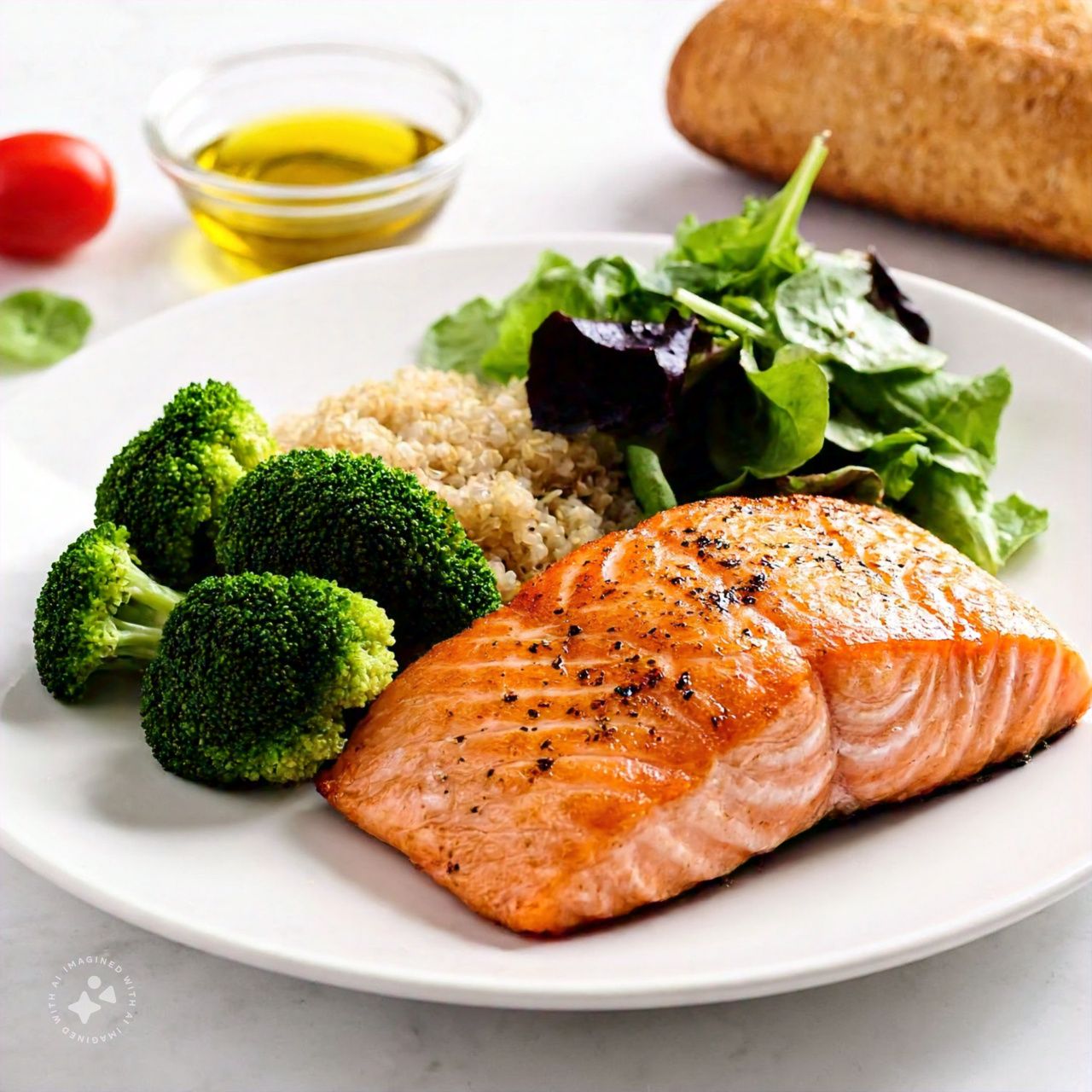
Proper diet is the key to remain healthy. Even when modern science was not yet developed and recent medicines to cure diseases were far from even being imagined, diet played a crucial role in various ancient medical practices like Ayurveda, which emphasized the importance of nutrition in maintaining health and well-being. Over the centuries, many cultures have developed unique dietary philosophies, resulting in a diverse range of beliefs and dogmas about what to eat. This diversity is influenced by numerous factors, including geographical location, social dynamics, and religious customs, all of which contribute to making the subject of nutrition more complex and challenging. Through this blog post, I will try to provide a brief idea about a healthy diet, with a particular focus on heart health, discussing essential nutrients, beneficial foods, and lifestyle choices that can support cardiovascular wellness while also considering how different dietary practices may relate to an individual’s cultural background.
Basically, there are four major components of our diet: carbohydrates, lipids or fats, proteins, and micronutrients like vitamins and minerals. A healthy diet contains an adequate but not excessive amount of each of these components in our daily routine, ensuring that our bodies receive all the necessary nutrients for optimal functioning and health. Historically, India was a poor country, and still, a few parts of our country face economic challenges leading to poverty; this often translates to issues such as food scarcity, malnutrition, and inadequate access to essential resources. But we are not going to discuss that in this blog post; instead, we will focus on the diagonally opposite problem—the abundance of food faced by the affluent. In today’s world, those in wealthier segments of society often encounter an overwhelming variety of food options, leading to overconsumption and a host of related health issues such as obesity and lifestyle diseases. It is crucial to recognize this paradox where, despite having access to sufficient food, the choices made can sometimes adversely affect overall health and well-being.
I will keep this simple, not going into the depth of topics such as how many calories one should consume or detailing which specific food items should be eaten during each meal, as that is the job of a qualified dietician. Instead, we will focus on the fundamental principles of a heart-healthy diet. By understanding the essential nutrients and food groups that promote cardiovascular health, individuals can make informed choices that not only nourish their bodies but also help prevent heart disease.
Cardiac problems occur because of excess consumption of certain foods. First and foremost are the two white poisons: 1. Sugar 2. Salt. Sugar, or more scientifically speaking, carbohydrates, are the main chunk of Indian food and are the primary source of energy. Then why am I labeling them as poisons? Edible carbohydrates are of different types; the dangerous ones amongst these are the simple carbohydrates or instant sugars. Sugar cubes, sweets, chocolates, and candies, as well as ice creams, contain these instant sugars, and the excessive intake of these is extremely dangerous, acting like a slow poison that steadily deteriorates health. The toll of indulging in these sugary delights is significant, leading to various health-related issues, including obesity, hyperlipidemia, diabetes, and even heart diseases, which can significantly impact one’s quality of life. As far as possible, these should be completely avoided except for very rare occasions, such as festivals or special celebrations when a small indulgence might be permissible. Instead, one should focus on incorporating healthier forms of carbohydrates into their diet, including millets, whole grains, fruits, and vegetables, all of which provide essential nutrients and energy without the harmful side effects. It’s important to consume these healthier options in good amounts, ensuring that they become a staple part of the diet; however, moderation is key, as excess of even these can lead to imbalances and health concerns.
Excess of salt in the diet has a lot of adverse consequences, including water retention in the body, high blood pressure, and various kidney problems, to mention just a few. The simple rule of thumb is to avoid adding any salt over and above what is used to prepare the food. Additionally, it is wise to steer clear of pickles and papads, as these often contain hidden salt. Sodas and cold drinks should be strictly avoided, as they can be surprisingly high in sodium. Nowadays, many people claim they are consuming “healthy” salt, but the matter of fact is, scientifically, all salts have similar properties and excess consumption of any type of salt, including rock salt, will yield the same adverse effects on health. It is especially crucial for those with pre-existing conditions to be cautious; for instance, salt consumption should be further decreased in patients who are already suffering from heart disease and uncontrolled hypertension, as they are at a higher risk of experiencing severe health complications.
Lipids or fats are essential energy-rich food items that play a vital role in our overall health and nutrition. These kinds of foods are not only tasty but also extremely addictive, often satisfying cravings that other food groups may not fulfill. Examples include a variety of oils, butter, creams, and even shuddha desi ghee, which is a traditional fat or lipid widely used in Indian cooking. Similar to carbohydrates, lipids can be classified into good and bad types. Among the healthier options, oils such as olive oil and sunflower oil stand out because they contain a good amount of polyunsaturated fatty acids, which are beneficial for cardiac health and can help in reducing bad cholesterol levels. On the other hand, unhealthy lipids, which are high in saturated fatty acids, can be found in products such as coconut oil, butter, ghee, and red meat, and should be consumed with caution. Recent scientific studies have begun to challenge the long-held belief that lipids are solely detrimental to health, suggesting instead that they can be part of a balanced diet when consumed in moderation. However, it is worth noting that many of these studies were conducted in colder countries, where the caloric requirements are typically higher due to increased energy expenditure. In temperate countries like India, where lifestyles and dietary patterns differ, lipid consumption should be limited to ensure health and well-being, taking into account the local food culture and nutritional needs. Therefore, striking a balance while enjoying lipids in moderation is key to maintaining both taste and health.
Proteins are crucial body-building components found in food, although their function is not limited to just that, as they play a vital role in various bodily processes, including immunity, the production of various hormones, and the formation of hemoglobin, which is essential for transporting oxygen in the blood. Unfortunately, typical Indian food often contains low levels of protein, which can be a concern for maintaining overall health. To address this, individuals should seek out a variety of protein sources, which include not just animal sources like meat, fish, milk products, and eggs, but also plant-based sources such as legumes, seeds, nuts, and sprouts, all of which can provide essential amino acids. Furthermore, it is important for every person to consume the required amount of proteins daily to support their body’s needs and maintain muscle mass. I generally advise pure vegetarians to consume milk products, like paneer, cheese and yogurt, in addition to incorporating a wide variety of plant proteins into their diets to ensure they are meeting their nutritional requirements effectively. This balanced approach can significantly enhance their overall health and wellbeing.
Vegetables and fruits are rich sources of micronutrients like various minerals and vitamins, making them essential components of a balanced diet. Different kinds of food items contain different micronutrients; for example, lemon is a rich source of vitamin C, which is vital for immune function and skin health. Similarly, papaya is an excellent source of vitamin A, which is crucial for maintaining good vision and promoting healthy skin. Apples and dried fruits are particularly high in iron, an important mineral that supports the production of red blood cells and helps prevent anemia. Therefore, eating a variety of these nutritious foods is important to ensure that our bodies receive a comprehensive range of nutrients. Consuming salads that contain a mixture of various fruits and vegetables is a good idea, as it not only enhances flavor but also maximizes health benefits by providing diverse micronutrients. Incorporating colorful and seasonal produce into our meals can further elevate our nutrient intake, making each bite not only delicious but also beneficial to our overall well-being.
Some food patterns are considered to be healthy, like the Mediterranean diet and the Japanese diet, which have been extensively studied for their nutritional benefits and impacts on health. My view is that the diet suiting a particular geographical region, especially the one that has been eaten by local people for centuries, tends to be good for them as it is often tailored to their environmental conditions and cultural practices. This long-standing relationship between diet and local ingredients fosters a sense of community and tradition. However, I also believe that some modern scientific changes can enhance these traditional diets. For instance, increasing the protein content in Indian food, which primarily relies on carbohydrates, could help address nutritional gaps and support overall health better. By combining traditional dietary patterns with contemporary nutritional science, we can create a more balanced approach to eating that respects cultural heritage while adapting to modern dietary needs.
Some modern dietary advices have emerged in recent years like the keto diet and intermittent fasting; they also seem to work but often only for a short duration of time. I have observed my patients struggling to maintain intermittent fasting over extended periods. Many manage to adhere to it for a few days but eventually revert to binge eating, which negates all the benefits they had previously gained, such as weight loss and a decrease in their medication requirements.
In my view, dietary rules should be simple and sustainable, allowing individuals to follow them for a lifetime without feeling deprived or restricted. The key to successful long-term dietary change is not only adherence to a strict regimen but also creating a balanced approach that fits seamlessly into a person’s lifestyle.
In addition to the diets mentioned earlier, there are a few other guiding principles I encourage my patients to adopt for maintaining a healthy relationship with food and their overall wellness. These include:
- Eat only when you are really hungry, taking the time to listen to your body and recognize the signals it sends, ensuring that you truly need nourishment before reaching for food. This practice not only helps in maintaining a healthy relationship with food but also fosters mindfulness about what and how much you consume, allowing you to appreciate nourishment in its entirety, enhancing your overall well-being and promoting healthier eating habits in the long run. Moreover, by establishing this connection with your bodily needs, you cultivate a deeper understanding of your emotional triggers and patterns associated with eating, which further contributes to a more balanced and intuitive approach to food. Engaging in this self-awareness not only serves to prevent overeating and unhealthy snacking but also empowers you to make more conscious choices that reflect your personal health goals, leading to a gradual transformation in how you view food in the context of your lifestyle and personal values.
- Eat a variety of foods; don’t eat the same food daily. For example, many North Indians tend to eat only wheat rotis, while most South Indians primarily consume rice items. This pattern should be changed to incorporate a broader range of foods and flavors in our diets, allowing us to enjoy the benefits of diverse cuisines and nutrients that different ingredients can provide. Embracing variety not only enhances our meals but also supports better health and well-being.
- Be mindful about the portion of food; don’t eat excess or less. Dividing the food consumption into 4 to 5 settings in a day is better for digestion and helps to maintain energy levels throughout the day. Eating more in the morning hours is particularly beneficial, as it provides the body with the necessary fuel to kickstart the day. Breakfast and lunch should consist of larger portions to sustain you, while dinner should contain less to avoid discomfort and to allow the body to rest during the night. By practicing mindful eating and portion control, you can improve both your physical health and overall well-being.
- Eat dinner 2 hours prior to going to bed in order to allow proper gastric emptying, digestion and ensure a more restful sleep, avoiding any discomfort that may disrupt your night.
- Avoid processed food and preserved food as far as possible. Instead, choose to eat natural, fresh food that is free from additives and preservatives, as this will contribute to better health and well-being. Aim to incorporate a variety of fruits, vegetables, whole grains, and lean proteins into your diet to ensure a balanced nutrition.
By focusing on these principles, I believe patients can find a more sustainable path to health and wellness without feeling overwhelmed by restrictive diets. This approach ultimately leads to better compliance and long-lasting results.
Mission – Healthy Hearts
Dr. Tamiruddin A. Danwade,
Consultant Interventional Cardiologist.
Dr. Tamiruddin A. Danwade is a highly regarded Consultant Interventional Cardiologist, known for his expertise and dedication to patient care. He operates out of the esteemed Mother & Rhythm Clinic, located in the Seawoods and Kharghar areas of Navi Mumbai. This clinic is well-equipped to handle a variety of cardiovascular concerns, providing patients with comprehensive evaluations and treatments.
In addition to his practice at Mother & Rhythm Clinic, Dr. Danwade also serves at Bharti Vidyapeeth & Medicover Hospital in Kharghar, Navi Mumbai. These institutions are known for their commitment to medical excellence and innovative treatments, allowing Dr. Danwade to leverage advanced technology and multidisciplinary approaches to improve patient outcomes.
Patients seeking treatment for complex heart conditions will find Dr. Danwade’s approach both compassionate and thorough. His focus on personalized care ensures that each patient receives the attention and tailored treatment they need, whether they require preventive measures or interventional procedures. Through his practice, he aims to enhance the quality of life for individuals with cardiovascular issues, all while contributing to the advancement of cardiac care in the region.
 Mission Healthy Hearts
Leave a comment