
TAVR
Our heart is a unique muscular pump with enormous capacity, intricately designed to support the entire circulatory system. It contracts around 100,000 times daily, efficiently pumping approximately 7,600 liters of oxygen-rich blood throughout the body. Physiologically, the blood flow is programmed to occur in one direction, with no impediments, ensuring that blood does not regurgitate in the reverse direction, which could compromise our health. This critical unidirectional flow of blood is tightly controlled by specialized tissues known as cardiac valves, which act as strategic gatekeepers. In a typical heart, there are four valves, each positioned precisely between four chambers—two atria and two ventricles—and the two major vessels that arise from the heart, all working in harmony to regulate blood flow. These valves include: 1. The Aortic Valve, which regulates blood flow from the left ventricle into the aorta; 2. The Mitral Valve, controlling blood flow from the left atrium to the left ventricle; 3. The Pulmonary Valve, which manages blood flow from the right ventricle into the pulmonary artery; and 4. The Tricuspid Valve, allowing blood flow from the right atrium to the right ventricle. Proper function of these valves is essential, as even the slightest dysfunction can lead to significant cardiovascular issues, impacting overall health and vitality.
Historically, the blockage of the Mitral valve, known as Mitral Stenosis, which is situated between the left upper and left lower chambers of the heart, was recognized as the most common form of valvular heart disease. The primary underlying etiology for this condition has been linked to rheumatic heart disease, a complication that is generally more prevalent among individuals living in low socio-economic conditions. This correlation underscores the impact of social determinants on health outcomes. However, with significant improvements in overall living standards and increased access to healthcare services, the incidence of Mitral stenosis is experiencing a rapid decline. In contrast, we are now witnessing an alarming increase in the blockage of the Aortic valve, termed Aortic Stenosis, which is located between the left lower chamber and the major blood vessel that arises from the heart, known as the aorta. Aortic stenosis is predominantly recognized as a disease of older age, largely occurring due to the natural wear and tear of the valve over many years. It is important to note that in some cases, Aortic stenosis can manifest at an earlier age, particularly if the valve is congenitally malformed, as seen with conditions such as a bicuspid Aortic valve. This congenital anomaly can lead to earlier complications and symptoms, highlighting the need for vigilant monitoring in affected individuals throughout their lives. Additionally, the growing awareness and improved diagnostic techniques have led to better identification and management of these valvular conditions, ultimately improving patient outcomes and quality of life.
Aortic stenosis progresses gradually, first presenting as mild, then moderate, and when the valve becomes critically blocked, it is termed severe aortic stenosis. Interestingly, even severe aortic stenosis can remain asymptomatic for a substantial period, affecting many patients who may not even realize they have a serious condition. However, once the symptoms do begin to manifest, early treatment becomes paramount to prevent serious complications. Typical symptoms of aortic stenosis include chest pain (angina), fainting episodes (syncope), and breathlessness (dyspnea), which can significantly impact the patient’s quality of life. It is essential for individuals experiencing these symptoms to seek medical evaluation promptly, as timely intervention can lead to better outcomes and a more manageable course of the disease. Regular monitoring and assessment of heart function can also help in understanding the progression of the condition and in making informed decisions regarding treatment options.
Diagnosis of aortic stenosis in the modern era has become relatively easy due to advancements in medical technology and enhanced understanding of the condition. When the patient visits the doctor, there are typical signs and symptoms that help in diagnosing it, especially a harsh murmur that is often heard over the chest during a physical examination. This murmur, produced by turbulent blood flow across the narrowed valve, can be a key indicator. Two-dimensional echocardiography is the mainstay of the diagnosis, as it allows for a detailed visualization of the heart’s structures and function, providing crucial information about the severity of the stenosis. Nowadays, computed tomography (CT) scans have emerged as the gold standard for diagnosing and evaluating severe aortic stenosis, offering excellent imaging capabilities that enhance the assessment of the aortic valve and surrounding anatomy. These imaging techniques have significantly improved the accuracy of diagnosis. In some complex cases, such as those where there is uncertainty regarding the severity of the condition or when other cardiac issues coexist, cardiac catheterization may be required. This invasive procedure allows for direct measurement of pressure gradients across the aortic valve, helping to clarify the clinical picture and guide treatment decisions effectively.
Surgical Aortic valve replacement (SAVR), which is an open heart surgery, was the only treatment option available in the past, making it a standard choice for patients with significant aortic valve stenosis. This is a supra-major surgery that carries high perioperative risk and requires a prolonged time for recovery; however, advancements in medical technology have resulted in the development of less invasive surgical options that are now available. Despite these advancements, SAVR is still not a feasible option for many patients due to high operative risks associated with factors such as old age, obesity, chronic kidney issues, and significantly low heart pumping capacity, referred to as severe Left ventricular systolic dysfunction.
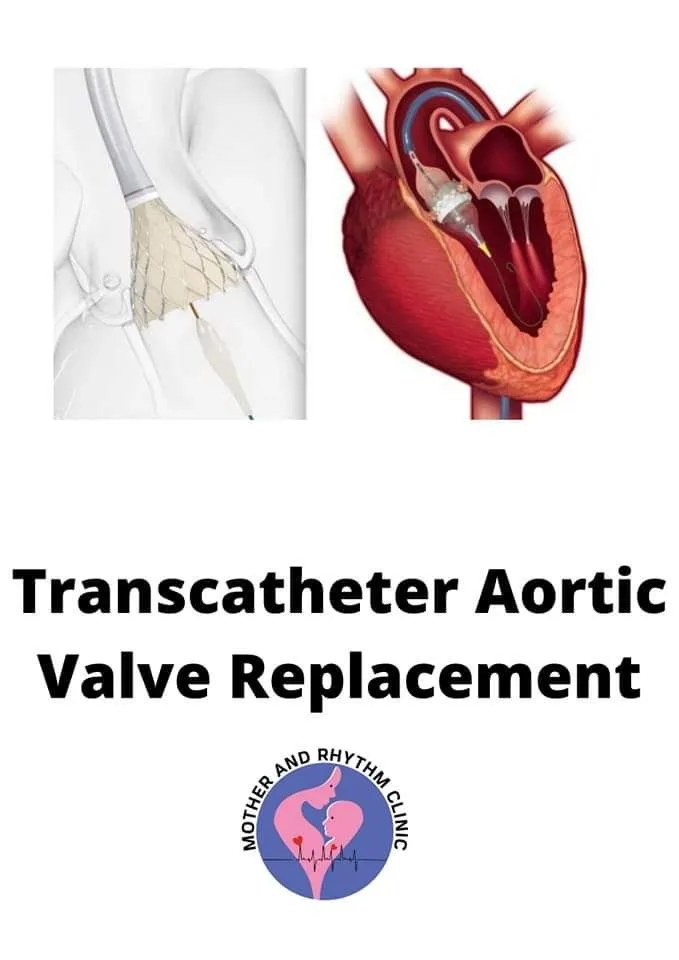
In response to these challenges, Transcatheter Aortic Replacement (TAVR) has been introduced relatively recently as a notable alternative option, which is a percutaneous, less invasive procedure and is gradually gaining acceptance as a preferred treatment modality among both patients and clinicians. This approach is somewhat similar to the process used in coronary angioplasty; however, a key difference lies in the hardware used, which tends to be bulkier in comparison. The majority of TAVR cases are performed through the groin, although a small percentage are executed via the chest or other alternative routes depending on the patient’s specific anatomy and clinical situation. In the Transfemoral procedure, which is the approach done through the groin, a catheter is carefully navigated up to the heart, where a relatively stiff wire with a soft end is crossed across the stenosed valve. Following this, initial balloon dilatation may be performed in some cases, utilizing the wire as a guide. Subsequently, a new valve is precisely positioned and deployed within the existing valve structure. Currently, there are two types of valves available for TAVR: one is self-expandable while the other is balloon-dilatable. Each type boasts distinct advantages, and the choice of valve is made on a case-by-case basis, heavily influenced by the anatomical characteristics of the native valve and the overall clinical condition of the patient, ensuring that each individual receives the most appropriate and effective intervention for their needs.
With time, the procedure is becoming more and more sophisticated, incorporating advanced technologies and innovative techniques that enhance both efficiency and safety. Results are dramatic, as many patients experience significant improvements in their condition, and most of them become stable on the operating table itself, reducing the need for prolonged postoperative care. There is a very short recovery time, often only a matter of days, and post-operative medications are also limited, minimizing the risk of adverse effects. Notably, patients can be discharged home within a couple of days, allowing them to resume their daily activities sooner and with greater confidence, while also enjoying the support of their loved ones in a comfortable setting. This evolution in medical procedures not only improves patient outcomes but also reinforces the importance of ongoing research and development in the healthcare field.
Every invasive procedure comes with potential complications, though very few minor complications can occur, such as bleeding at the groin puncture site or the risk of infection. These minor issues are generally manageable and can be treated effectively with proper medical attention. However, serious complications are exceedingly rare; instances such as the dislodgement of the valve requiring corrective surgery or the need for a permanent pacemaker after the procedure due to damage to the heart’s electrical conduction system, while concerning, do not occur frequently. To ensure the utmost safety for the patient undergoing Transcatheter Aortic Valve Replacement (TAVR), it is performed in a hospital that is not only well-equipped but also has robust surgical backup. This preparation and attention to detail help mitigate risks and provide patients with peace of mind, knowing they are in a capable environment should any unforeseen issues arise during or after the procedure. Such comprehensive care exemplifies the advances made in minimally invasive cardiovascular procedures, where the focus remains firmly on patient safety and optimal outcomes.
In summary, Transcatheter Aortic Valve Replacement (TAVR) is emerging as a significantly less invasive treatment option for patients suffering from severe aortic stenosis. This innovative approach provides a safe and effective alternative to traditional surgical methods. One of the key advantages of TAVR is the relatively quick recovery time observed following the procedure, which allows patients to return to their daily activities much sooner than with open-heart surgery.
Furthermore, TAVR has shown to be suitable for a wide range of patients, including those classified as very high risk. These individuals often face increased complications or mortality rates if undergoing conventional surgical interventions. The flexibility and adaptability of TAVR extend the treatment possibilities to those who might have previously been deemed unsuitable candidates for valve replacement.
Overall, TAVR not only excels in terms of safety and efficacy but also significantly enhances the quality of life for patients with severe aortic stenosis by minimizing procedural risks and expediting recovery. As technology and techniques continue to advance, TAVR’s role in managing this condition is likely to expand even further, benefiting an increasing number of patients.
Dr. Tamiruddin A. Danwade,
Consultant Interventional Cardiologist.
(Dr. Tamiruddin A. Danwade is a renowned Consultant Interventional Cardiologist, recognized for his expertise and dedication in the field of cardiology. He practices at the Mother and Rhythm clinic, strategically located in both Seawoods and Kharghar, Navi Mumbai.
With a rich background in interventional cardiology, Dr. Danwade has a profound commitment to providing comprehensive cardiac care to his patients. His clinic is equipped with advanced technology and offers a wide range of services including diagnostic evaluations, minimally invasive procedures, and ongoing patient management.
The Seawoods and Kharghar locations are not only convenient for residents in Navi Mumbai but also foster a welcoming atmosphere for patients seeking specialized cardiac treatment. Dr. Danwade’s approach emphasizes patient education and involvement in their own care, ensuring they are well-informed about their health options.
Patients can expect a thorough consultation where their individual needs and concerns are addressed with utmost care. Dr. Danwade and his team are dedicated to not just treating heart conditions, but also promoting cardiovascular health and wellness in the community.)
 Mission Healthy Hearts
Leave a comment