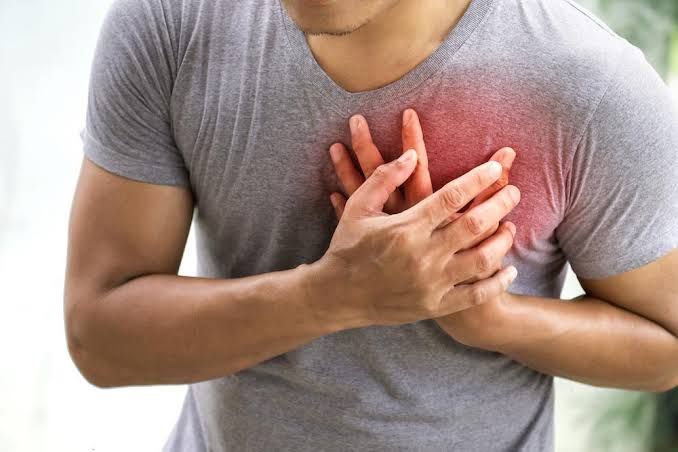
Nearly one year ago, I got a call in the middle of the night , an 18-year-old teenager had arrived at the emergency department of my hospital in a critical condition, experiencing severe chest pain and struggling to breathe. The situation was dire, with his blood pressure being so low that it was not even recordable. The electrocardiogram left no room for doubt: he was in the midst of a major heart attack. Without immediate action, the young patient’s life hung in the balance. Our team wasted no time in swiftly stabilizing him before rushing him in for PAMI (primary angioplasty in Myocardial infraction). The angioplasty procedure turned out to be complex as we discovered a large blood clot in the left main artery, responsible for supplying almost 70% of the heart. It took nearly 3 hours of meticulous team efforts to successfully restore good blood flow in the coronary arteries. Throughout the procedure, the patient faced cardiac arrest three times, but fortunately, each time we managed to revive him. Following the angioplasty, we transferred him to the Intensive Care Unit, where his recovery proved to be quite challenging. He required high doses of medications to maintain his blood pressure, and non-invasive ventilatory support was essential for proper oxygenation for almost a week. Against the odds, he eventually made a full recovery and was discharged from the hospital on the 12th day. This young man was incredibly lucky to have received immediate medical attention and the very best treatment available. Unfortunately, not everyone finds themselves in such fortunate circumstances, with many succumbing to similar situations before even reaching the hospital. This begs the question: why should a young person have to endure such a life-threatening heart attack? In this particular case, the young patient’s lifestyle played a significant role. A chronic smoker who was extremely obese and led an inactive life, his daily diet consisted of pizza, burgers, and beer. While this is an extreme example, an increasing number of young patients have been presenting with heart attacks in recent years, highlighting the importance of lifestyle choices and prevention in cardiovascular health.
Heart attack, also known as myocardial infarction, is a serious and life-threatening condition that continues to be the leading cause of death not only in India, but also globally. What makes it even more alarming is the fact that it can result in sudden death, often leaving very little time to react. Previously, heart diseases, particularly coronary artery disease, were commonly associated with old age, typically occurring after the sixth decade of life. However, in recent times, there has been a concerning trend of the ailment affecting younger patients, tightening its grip over a demographic that was historically less susceptible. This shift has brought forth new challenges and considerations in the understanding and management of heart-related conditions, prompting the need for increased awareness and proactive measures to address this evolving landscape of cardiovascular health.
The risk factors for coronary artery disease can be expanded to encompass various aspects of lifestyle and environment that can impact cardiovascular health. In addition to the non-modifiable factors such as age, gender, family history, ethnicity, and genetic predisposition, there are numerous modifiable risk factors that individuals can actively address to reduce their risk of developing coronary artery disease. These modifiable risk factors include traditional elements like hypertension, diabetes mellitus, and hypercholesterolemia, all of which require careful management and monitoring. However, in the modern era, new threats have emerged, especially common among younger individuals, contributing to the increasing prevalence of coronary artery disease. These contemporary risk factors encompass a wide range of lifestyle and behavioral patterns, including smoking, excessive alcohol consumption, substance abuse such as drug addiction, chronic stress, physical inactivity, obesity, inadequate sleep, and insufficient rest. Addressing these modifiable risk factors through lifestyle modifications, behavioral changes, and proactive healthcare interventions is essential in mitigating the risk of coronary artery disease and promoting overall cardiovascular well-being.
If we adopt a healthier lifestyle, we can significantly reduce the risk of premature deaths from heart attacks. Incorporating a balanced diet is paramount, ensuring adequate proportions of carbohydrates, fats, proteins, vitamins, and other essential micronutrients. It is crucial to emphasize the importance of regular physical activity, such as engaging in at least 150 minutes per week of aerobic exercises like brisk walking, jogging, swimming, cycling, or participating in sports like badminton and tennis. Additionally, integrating muscle-strengthening exercises like yoga or moderate weight training at the gym is highly beneficial. However, it’s important to exercise caution and seek advice from an expert or doctor before embarking on a rigorous exercise regimen. Gradually increasing the intensity of workouts is recommended, and it’s important to note that extreme forms of exercise or bodybuilding are not necessary for maintaining good health. Smoking should be completely stopped, as it poses serious health risks such as lung cancer, heart disease, and respiratory problems. In addition, alcohol should be consumed in moderation to avoid potential negative effects on the liver and overall well-being. As for substance abuse, it is unequivocally a detrimental practice that should be avoided at all costs due to its harmful impact on both physical and mental health. It is essential for individuals to prioritize a consistent sleep schedule, aiming to get 6 to 9 hours of rest each night to support overall health and cognitive function. While some people may feel refreshed with only 5 hours of sleep, scientific evidence overwhelmingly indicates the importance of sufficient and quality sleep for optimal well-being.
Now, What can we do if the person is suffering from heart attack somewhere out of hospital, and can die before reaching the health care facility ? Heart attack occurs because of complete closure of one of the major blood vessels which supplies the blood to the heart itself. 30% of the patients succumb before reaching the hospital. Reasons behind instantaneous death are tachyarrhythmias (Ventricular tachycardia and ventricular fibrillation) which leads to abrupt cessation of pumping of the heart leading to dramatic collapse and demise. Second reason is brady-arrhythmias where the heart rate become so low that the vital body organs become significantly depleted of the blood supply causing sudden death. Third reason is very large part of heart stops contracting suddenly because of occlusion of major artery e.g., left main artery. It causes extreme low blood pressure and death. Among this most common cause is tachyarrhythmias. If somehow these arrhythmias are reversed in time, we can save a precious life and buy some time for definitive treatment like primary angioplasty.
What can a bystander do to reverse the arrhythmia? One of the most crucial actions is to administer Cardiopulmonary Resuscitation (CPR), a life-saving technique widely taught in Basic Life Support (BLS) courses. These courses, often offered by large hospitals free of charge, equip individuals with the necessary skills to effectively respond to medical emergencies. It is essential for every responsible individual to undergo training in BLS to ensure prompt and effective intervention in critical situations. Moreover, an important preventive measure is the widespread installation of automated external defibrillators in public spaces, including gyms, schools, bus stops, airports, and hotels. The responsibility for deploying these devices lies with the government, as they play a crucial role in promptly detecting and delivering an electric shock to reverse arrhythmias when applied to the chest. These concerted efforts contribute to creating a safer environment and enhancing the collective ability to address cardiac emergencies in diverse settings.
Certainly! When performing CPR on someone who has collapsed and is in need of immediate assistance, it’s crucial to follow the proper steps. Firstly, ensure the person is lying on their back on a firm surface. Next, kneel beside the individual’s neck and shoulders, and place the lower palm (heel) of your hand over the center of their chest, between the nipples. Then, position your other hand on top of the first hand, keeping your elbows straight and your shoulders directly above your hands. Remember to push straight down on the chest at least 2 inches (5 centimeters) but no more than 2.4 inches (6 centimeters). It’s important to utilize your entire body weight, not just your arms, when performing compressions. Aim for a rate of 100 to 120 compressions per minute and allow the chest to recoil after each push. If you haven’t received CPR training, continue chest compressions until there are signs of movement or until emergency medical personnel take over.
Here’s a very informative short video from Mayo Clinic that can provide better understanding of CPR techniques and procedures: Mayo Clinic CPR Video
Dr. Tamiruddin A. Danwade,
MD(Medicine), DNB(Cardiology), FSCAI (USA),
Dr. Tamiruddin A. Danwade is a highly qualified and experienced medical professional with extensive expertise in the field of cardiology. He holds a Doctor of Medicine (MD) in Medicine, a Diplomate of National Board (DNB) in Cardiology, and is a Fellow of the Society for Cardiovascular Angiography and Interventions (FSCAI) in the USA. With such distinguished qualifications, Dr. Danwade serves as a Consultant Interventional Cardiologist at the Mother & Rhythm Clinics located in Seawoods and Kharghar, Navi Mumbai.
His specialized knowledge and skills make him a valuable resource in the healthcare community, contributing to the well-being of numerous patients. Dr. Danwade’s presence in Navi Mumbai provides crucial support for individuals seeking advanced cardiovascular care in these areas.
 Mission Healthy Hearts
Leave a comment